

Night shift specs
night shift specs cover the edge cases that show up after the first calm week.
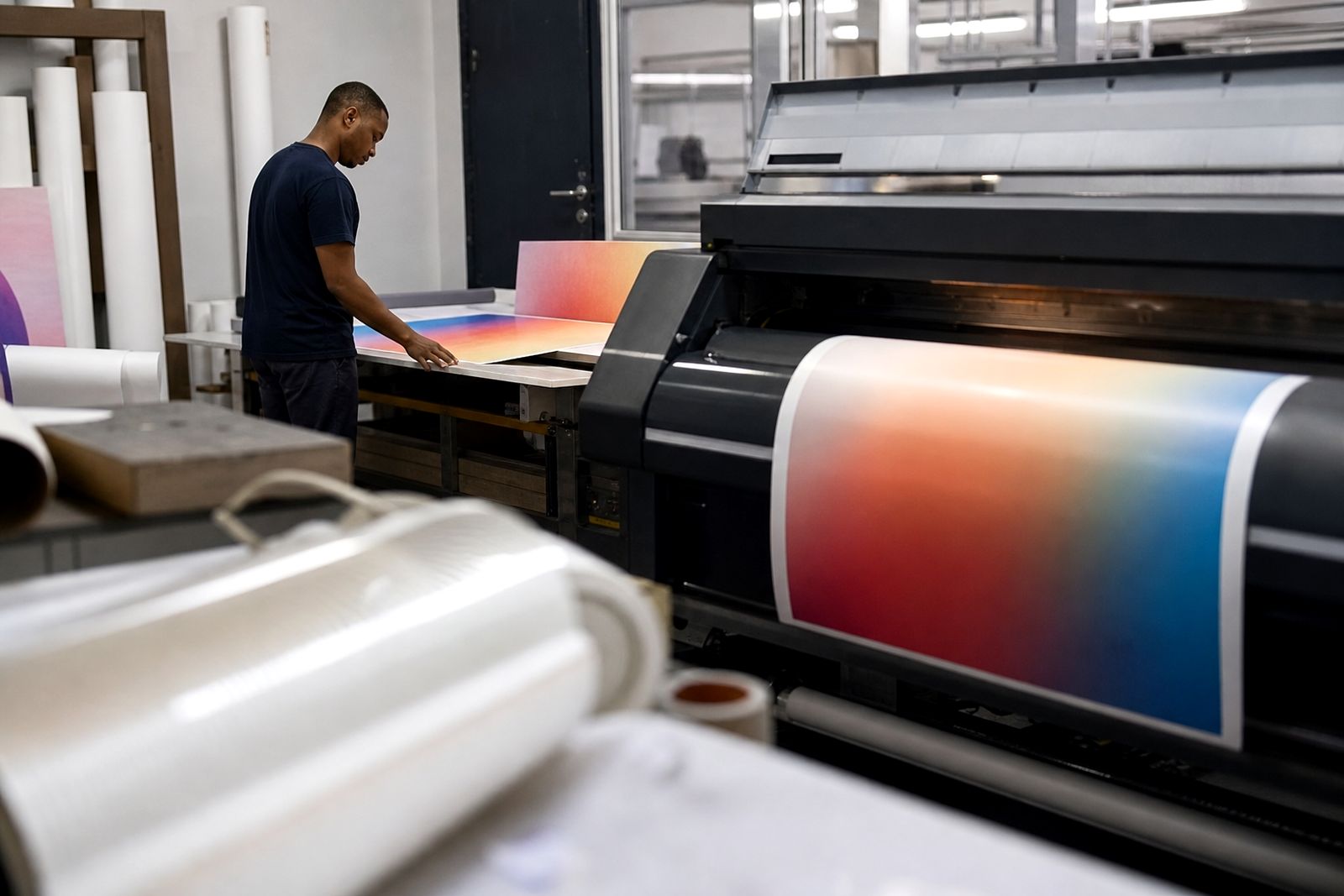
Overnight operating limits and checks
Technical details for unattended operation for Epson graphic-arts environments. Use these notes when you need to review operating conditions, routine requirements and machine limits before planning overnight runs.
The focus is the settings that matter after staff leave the print room. It covers media loading, heater behaviour, take-up stability, ink use and the job length that can run safely through the night on Epson graphic-arts equipment. Conditions differ between Gauteng and Cape Town, so room temperature, dust levels and mains stability need to be part of the planning.
Before an unattended run starts, capture the machine state and the loaded stock in one quick record. Include nozzle status, roll width, remaining media, cutter setting and any RIP queue notes. That reference helps the morning operator see whether the printer stopped on media, head maintenance or a file issue.
Night run data worth recording
Useful notes include the Epson model, substrate type, profile in use and the target finish time. Add the pass mode, platen gap, take-up direction and whether borderless output is disabled for the shift. A short written handover is more useful than a vague memory when the first jobs are checked at opening time.
Use these specs alongside routine notes when you are mapping unattended output for colour work, posters or proofing queues.
- Nozzle check before last queue starts
- Take-up tension matched to loaded media
- Morning handover note kept at printer
Conditions that affect overnight output
Highveld dust can build up around the media route and sensor areas, while Cape Town humidity may change how some papers sit overnight. Longer runs should account for room ventilation, roll weight and whether the printer is sharing power with other equipment in production. These are operating factors, not admin details, and they change how safely a job can be left unattended.
Power interruptions matter more at night because there is no operator standing by to catch a stop straight away. For that reason, night shift specs should include restart steps, waste expectations and where to inspect the first damaged section after recovery. On Epson graphic-arts units, simple checks before lights-out often prevent avoidable media loss by morning.
Handover points for the next shift
Use night shift specs where late-run colour work, unattended printing and morning handover notes matter more than a standard daytime setup.
Leave a written note with what ran, what remained on the roll and any warnings shown during the job. The most useful handover also states whether colour was checked against a previous sample and whether trimming marks or nesting changed during the queue. That gives the day team a clear starting point for reprints, packing or the next media change.
What our Epson Graphic Arts customers say
Verified Google reviews
Also worth a look
Tell us what you print and where it hurts
Send a note through our contact form with the media you print, the printer you run or are considering and where the workflow slows down, and we will come back with practical options and a quote.
Open the contact form